

From Beige to Bold: How Maximalism Is Redefining Fashion in 2025
- Crossrr
- Oct 11, 2025
- 4 min read

Minimalist “quiet luxury” had its moment — the soft beige cashmeres, tonal layering, and subtle elegance that whispered status through understatement. But fashion, ever cyclical, is swinging to the opposite extreme in 2025: maximalism and unapologetic individualism. This isn’t just about louder colors; it’s a reflection of mood, identity, and a collective hunger for self-expression in a world tired of beige sameness.

From Quiet Luxury to Loud Self-Expression
The last few years celebrated neutral palettes and discreet affluence, inspired by the “old money” aesthetic. But as minimalism flooded the market, it lost exclusivity — when everyone was dressing quietly, no one stood out. Enter Gen Z and younger millennials, a generation raised in a visually-saturated digital world. For them, dressing up is a form of content, and subtlety doesn’t go viral.
Their new mantra? If it’s not making a statement, it’s not worth wearing. The result is a revival of maximalist fashion — a mix of colors, patterns, textures, and silhouettes that break old rules and celebrate individuality.
The Core Aesthetic: Bright Outerwear and Color Saturation
This season, bright outerwear dominates both runways and city streets. Coats are no longer mere protection from the cold — they’re canvases for personality. Think oversized scarlet puffers, sunflower-yellow trenches, or cobalt-blue wool dusters, each acting as the centerpiece of the outfit.
Why outerwear? Because it’s often the first — and only — thing people see in colder months. A statement coat instantly signals confidence and energy.
Yellow is having a moment too. Once overlooked, it’s now the color of optimism and hope — from buttery pastels to deep mustard hues. Designers like Versace, Marni, and Stella McCartney are leaning into warm tones, experimenting with unconventional pairings that feel alive and optimistic.

Rich Textures: Tactile Storytelling
Color may draw the eye, but texture tells the story. The new maximalism thrives on touchable fabrics that add dimension and drama:
Corduroy — reimagined by Dries Van Noten and Gucci in jewel tones and tailored cuts.

Velvet — lush blouses, skirts, and headbands as seen at Alessandra Rich and Zara Studio.

Faux fur and shearling — revived by Saks Potts, Stand Studio, and Shrimps, often in wild prints and exaggerated shapes.

Quilted and puffer textures — crafted into sculptural forms by Louis Vuitton and Rick Owens, blurring the line between function and fantasy.

Each texture becomes part of a sensory experience, an expression of individuality beyond visual appeal.
Eclectic Layering and Asymmetry
Maximalism thrives on unexpected layering and asymmetry. Instead of striving for perfect proportion, it celebrates imbalance — the art of creative chaos. Picture a satin slip dress under a chunky open-knit sweater or a structured blazer beneath a sleeveless duster.
Designers like Comme des Garçons, JW Anderson, and Marine Serre are pushing boundaries with asymmetrical cuts, uneven hems, and one-shoulder silhouettes. The result? A look that feels alive, imperfect, and entirely personal — the antithesis of minimalist rigidity.
The Role of Accessories
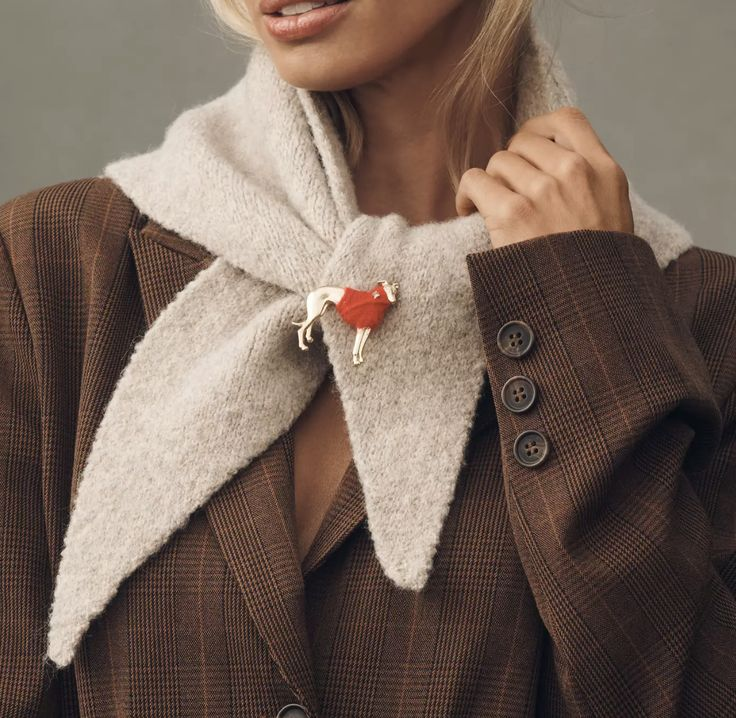
In this era, accessories are no longer supporting acts — they’re storytelling devices. Oversized patterned scarves, metallic handbags, colorful beanies, and bold statement boots now serve as outfit anchors.
Layered jewelry — stacks of chains, mismatched earrings, and chunky resin rings — amplifies the “more is more” ethos. Brands like Bimba y Lola, Ashley Williams, and Coach are embracing this fearless approach. Even heritage brands like Dior and Chanel have introduced eclectic accessory lines that blend vintage influence with modern flair.
Cultural Drivers Behind the Shift
The move toward maximalism connects deeply with broader cultural moods and fashion’s cyclical rhythm:
Post-pandemic energy – After years of subdued dressing, people crave joy and visibility in their wardrobes.
Social media influence – Platforms like TikTok and Instagram favor high-impact visuals; boldness wins the algorithm.
Sustainability and creativity – Thrifting, upcycling, and reworking old pieces naturally lead to eclectic, one-of-a-kind outfits.
Personal branding – Fashion is identity. In a digital world, dressing boldly becomes a way to be seen and remembered.
Celebrity and Street Style Influence
Celebrities have become the loudest champions of maximalism. Billie Eilish’s oversized graphic fits, Harry Styles’ patterned suits and feather boas, and Doja Cat’s avant-garde red-carpet experiments have redefined what daring style looks like.
On the luxury side, Gucci, Balenciaga, and Dolce & Gabbana continue to amplify eccentric layering and bold prints. Meanwhile, Diesel and Vivienne Westwood push boundary-breaking silhouettes that reflect rebellion and authenticity.
Street style is equally influential. From Tokyo’s Harajuku to Paris and Copenhagen, fashion week attendees are leaning into “dopamine dressing” — wearing clothes that simply make them feel good. The more unconventional the mix, the more attention it garners both offline and online.
How to Wear the Trend
Maximalism isn’t about abandoning taste; it’s about reinterpreting it with freedom. You can dive in or ease into it gradually:
Outerwear start: Pick a bright, patterned coat — your instant statement piece.
Texture play: Layer one dramatic fabric, like velvet or faux fur, over everyday staples.
Accessory experiment: Mix bold pieces — metallic bags, chunky boots, or layered necklaces — without fear of mismatch.
Pattern pairing: Try unconventional combinations like florals with stripes or plaid with abstract prints.
For those who prefer wearable maximalism, brands like Anthropologie, Free People, and Ganni offer approachable ways to play with color and texture without going overboard.
The Longevity of Maximalism
While trends come and go, maximalism’s roots in personal identity and sustainability may give it staying power. Unlike fast-changing minimalist trends, maximalism thrives on individuality — each outfit can be built from reimagined, thrifted, or DIY pieces. This makes it compatible with the slow fashion movement, encouraging creativity over consumption.
As Miu Miu, Paloma Wool, and Kenzo explore handcrafted details and artisanal flair, maximalism feels less like a trend and more like a movement. It’s about rewriting fashion’s rulebook — and making joy, chaos, and creativity the new definition of chic.
In Closing
In an era defined by contradiction — minimalism alongside extravagance, digital sameness versus unique self-expression — maximalism’s magic lies in its refusal to conform. It asks wearers to embrace every contradiction, turn it into an outfit, and wear it boldly.
Maximalism isn’t a rejection of taste; it’s a redefinition of it. In 2025, fashion isn’t whispering — it’s singing in color, texture, and fearless individuality.



Comments